
Practical backyard chicken guides for beginners.

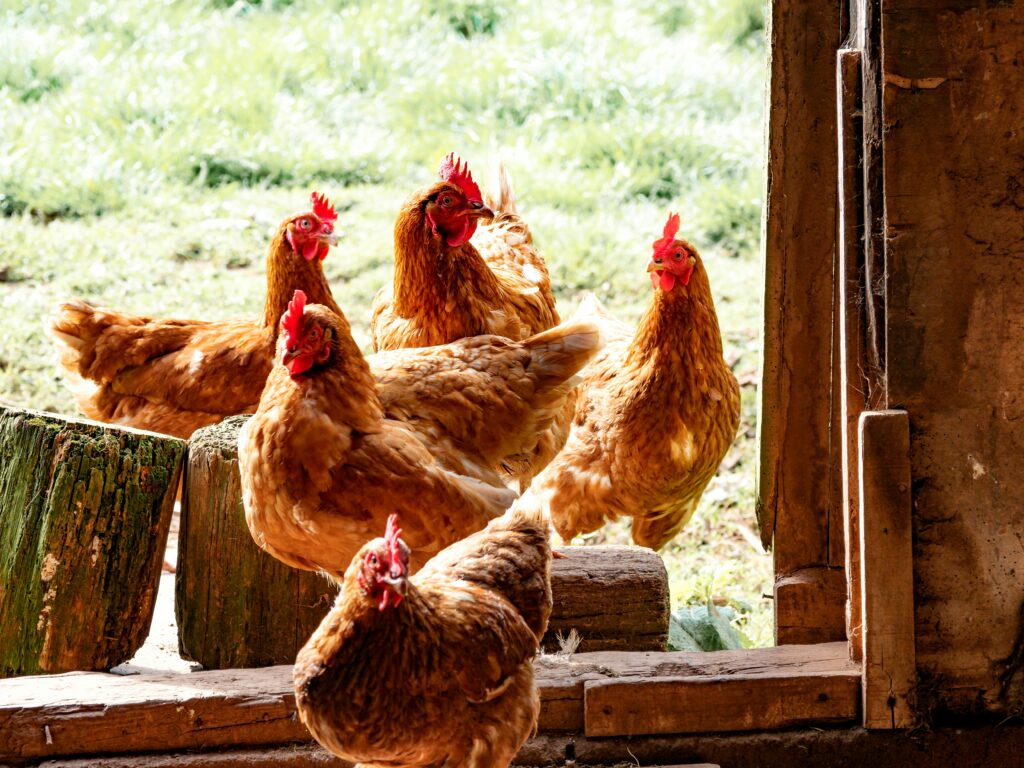
The first year of raising chickens for beginners should end with fresh eggs and healthy hens not vet bills, predator losses, or HOA fines. Yet most beginner guides online repeat the same soft advice: give them space, keep them warm, watch for predators.
That is not enough. After analyzing the top-ranking articles and cross-referencing them against veterinary studies, university extension data, and fire-safety reports, one truth stands out: the articles ranking highest for this topic cite zero .edu or .gov sources. They tell you what to do, but they rarely explain the exact temperature that kills chicks, the exact calcium percentage that destroys kidneys, or the exact fencing specification that stops raccoons.
This guide closes those gaps. It is built as a prevention-first manual for people who want numbers, not narratives. Whether you are planning your first backyard flock in Phoenix, suburban Michigan, or rural Tennessee, these are the fifteen mistakes that wipe out beginner flocks when raising chickens for beginners and the exact fixes that prevent them.
Mistake 1: Getting the Coop Space Math Wrong
The most expensive error a beginner makes when raising chickens for beginners happens before a single bird arrives. Prefab coop manufacturers label products with phrases like “fits eight chickens,” but those claims rarely account for the actual floor space a full-grown hen needs to thrive. When birds are crammed into tight quarters, stress hormones spike. Stressed chickens begin pecking feathers, pulling tails, and cannibalizing weaker flock mates. Ammonia from accumulated droppings rises faster than poor ventilation can remove it, triggering chronic respiratory infections that suppress egg production for months.
The formula is simple, and it is non-negotiable. Every standard-size bird requires four square feet of interior coop space and ten square feet of outdoor run space when confined. Heavy breeds such as Orpingtons or Brahmas need even more up to eight square feet inside and fifteen outside. On the roost, allocate eight inches of bar space per standard bird, scaling to twelve inches for heavier breeds.
Nesting boxes should be installed at a ratio of one box per four to five hens. If your plan is to keep six hens, build for nine. Beginners almost always add birds within the first year, and building for one hundred fifty percent of your target flock size prevents the overcrowding spiral before it starts.
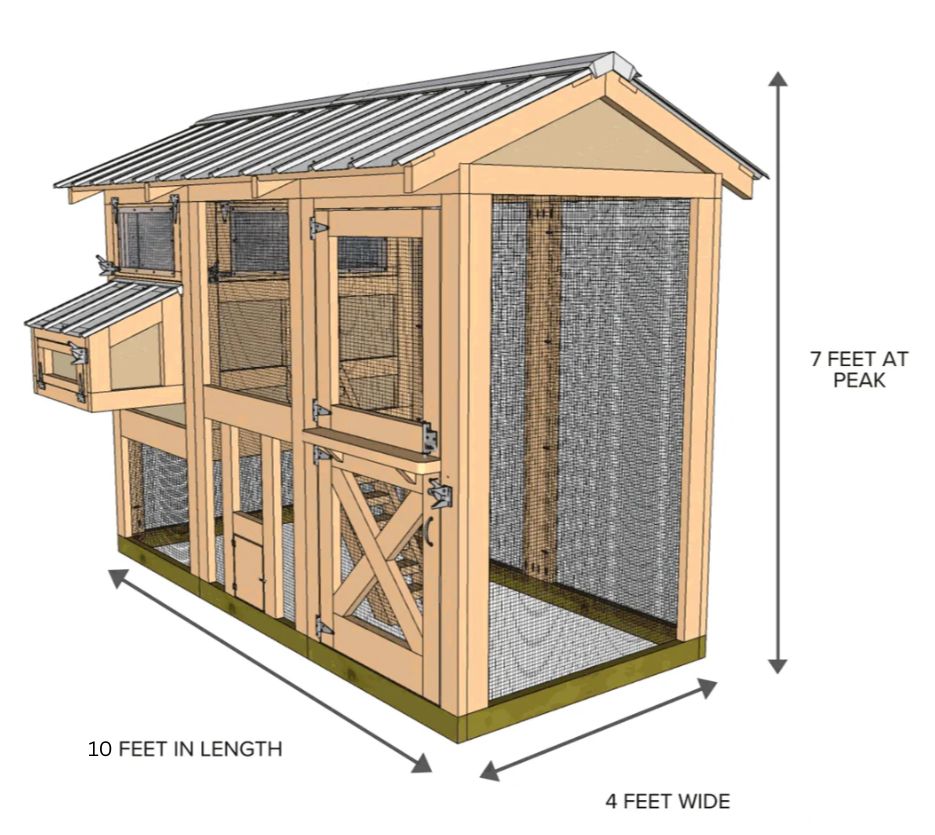
Before you buy a single board of lumber, walk through our complete Raising Chickens for Beginners: The Best Backyard Setup Guide (2026) it maps out exactly where to place your coop, how to angle your run for drainage, and which tools you will need before build day.
Mistake 2: Using Chicken Wire Instead of Hardware Cloth
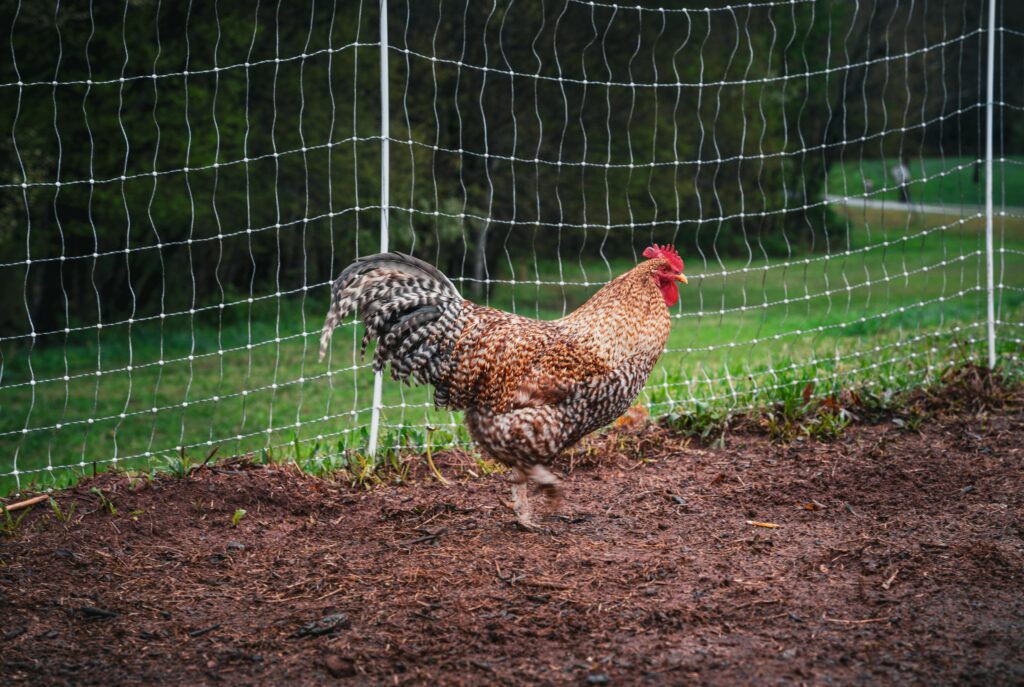
Chicken wire is cheap, lightweight, and easy to find. It also has the word chicken printed on the packaging, which convinces beginners it is the right barrier. It is not. Raccoons can pull chicken wire apart with their front paws. Weasels and juvenile rats squeeze straight through the one-inch hex gaps. A single night breach can destroy an entire flock. According to a UC Extension survey, 48.8 percent of backyard chicken keepers rated predation as their single most frequent challenge when raising chickens for beginners, and inadequate fencing is the primary reason.
The replacement is quarter-inch or half-inch hardware cloth made from nineteen-gauge or stronger galvanized steel. Secure it with one-inch galvanized poultry staples spaced every four to six inches—loose screws pull out under predator pressure. Dig a twelve-inch apron of hardware cloth outward from the run perimeter to block digging predators such as foxes, coyotes, and determined dogs.
Cover the run roof with the same material to stop hawks, owls, and climbing raccoons. The investment in a twenty-five-foot roll of quarter-inch hardware cloth runs roughly fifty-five to seventy-five dollars. Compare that to the six hundred to one thousand three hundred dollars required to replace a six-hen flock plus rebuild a breached coop, and the choice becomes obvious.
Mistake 3: Sealing the Coop Too Tight
Beginners often treat chicken coops like human bedrooms. They insulate walls, seal gaps, and close vents during winter because they assume birds need to be cozy. Chickens tolerate cold remarkably well far better than they tolerate damp, stale air. A sealed coop traps moisture from droppings and respiration, creating an ammonia buildup that burns respiratory tissues and causes frostbite on combs and wattles. University extension guides consistently note that wind protection matters more than airtight sealing.
Install vents near the roofline on opposite walls to create passive cross-ventilation. These vents must remain open year-round. In sub-zero climates, you may block the side facing prevailing winter winds, but the opposite vent stays open. If you smell ammonia when you open the coop door in the morning, your ventilation is already inadequate and needs immediate expansion. The deep litter method helps absorb moisture, but only when paired with steady airflow. Otherwise, you are simply composting disease pathogens under your birds’ feet.
Mistake 4: Relying on Heat Lamps in the Brooder
Heat lamps dominate Pinterest boards and farm-store displays, which is why so many people raising backyard chickens for beginners default to them. A two-hundred-fifty-watt lamp costs little and seems logical, but the surface temperature at the bulb exceeds five hundred degrees Fahrenheit, and heating equipment is involved in 23 percent of barn structure fires according to NFPA data. Between 2006 and 2010, heat lamp fires caused two million dollars in direct property damage.
Beyond the fire risk, temperature mismanagement is a leading driver of early chick mortality. Normal first-week chick mortality runs between one and five percent, but farms that fail to adjust brooder temperature as chicks age record significantly higher losses.
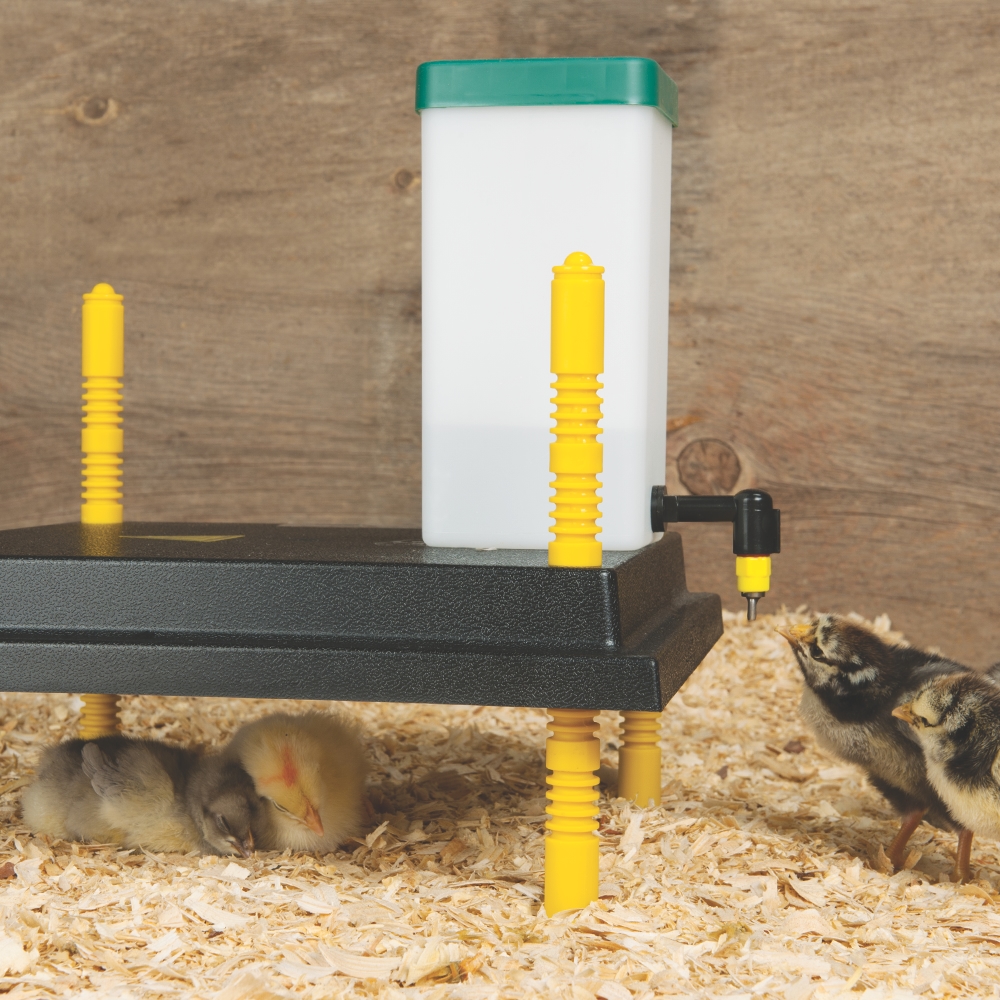
The modern alternative is a brooder heat plate. These flat radiant panels mimic a hen’s body heat, use fifteen to forty watts instead of two hundred fifty, and present virtually zero fire risk. Set the plate height to deliver ninety-five degrees Fahrenheit during the first week, then lower it by roughly five degrees per week until the birds reach room temperature at five to six weeks old. Place a thermometer at chick height not at your eye level to verify the zone temperature. For redundancy, run two smaller plates instead of one large lamp. If one unit fails overnight, the chicks survive under the second.
Mistake 5: Overcrowding the Brooder
A cardboard tote from the garage feels like plenty of room for fifteen tiny chicks. Within two weeks, those birds need one to two square feet each. By week four, they need double that. Overcrowding in the brooder causes pasty butt, aggressive pecking, smothering when birds pile on top of each other, and rapid disease spread through moisture-laden bedding.
Plan the brooder area the same way you plan the coop. During week one, allow half a square foot per chick. Expand to one to two square feet by week two, and scale accordingly. A large cardboard ring or an expandable puppy playpen works better than a static plastic bin because it grows with the birds. If you see chicks consistently piling on one side of the brooder, add a second heat source to eliminate cold zones.
Mistake 6: Setting Up the Brooder the Same Day Chicks Arrive
Mail-order chicks ship while they are still absorbing their yolk sacs. They arrive stressed, dehydrated, and sensitive to temperature swings. Beginners often assemble the brooder on Monday evening for Tuesday morning delivery. The heat source runs for two hours instead of the twenty-four to forty-eight hours required to stabilize the environment.
Set up the brooder a full two days before the birds arrive. Run the heat plate continuously and verify the temperature at floor level with a thermometer. Arrange the waterers and feeders so they do not cast cold shadows across the heated zone. Perform a dry run: walk around the perimeter, feel for hot spots, identify dead air corners, and check for drafts. The brooder is the nursery for your entire investment. Treat its preparation with the same seriousness you would bring to a surgical theater.
Mistake 7: Feeding Layer Feed to Growing Chicks
Layer feed and chick starter sit on the same store shelves in similar fifty-pound bags. Beginners often grab whichever bag is cheapest or closest, not realizing they are feeding poison to their birds. Layer feed contains approximately 3.5 percent calcium roughly three times the maximum safe level for growing chicks, who need closer to one percent. Excess calcium causes visceral gout, a condition where uric acid crystals coat the internal organs and permanently damage the kidneys.
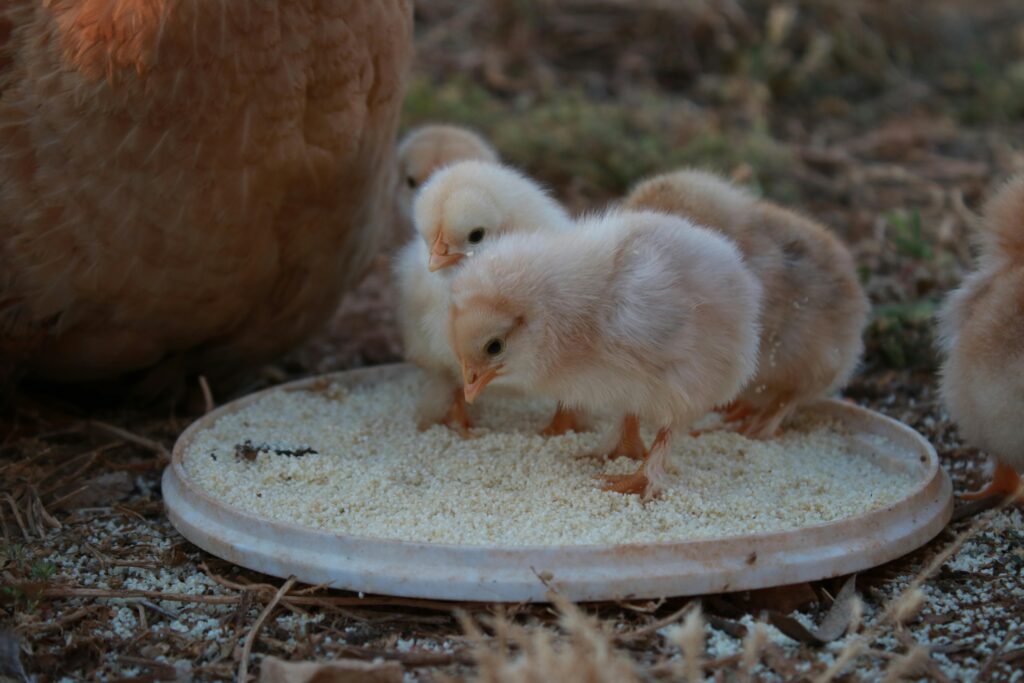
A 2005 veterinary study published in British Poultry Science concluded that growing layer birds should not be fed layer rations after controlled trials induced severe kidney damage and visceral gout in juvenile subjects. Gout outbreaks in growing flocks carry mortality rates between two and fifteen percent. The solution is a strict age-based feeding schedule.
Weeks zero through six require chick starter with eighteen to twenty percent protein. Weeks seven through sixteen transition to grower feed with sixteen to eighteen percent protein. Only at week sixteen or the onset of lay should you switch to layer feed with its higher calcium content. Store the bags in separate locations and mark them clearly. If you ever accidentally pour layer feed into a chick feeder, remove it immediately and return the birds to starter. Fresh water helps flush excess calcium from the system.
Mistake 8: Mixing Chicks of Different Ages
Beginners love variety when they first start raising chickens for beginners. They order six chicks in April, then four more in May because a new color caught their eye. Older chicks immediately dominate feeders and waterers, leaving younger birds dehydrated and underfed.
The bigger danger is biological: older birds shed coccidia oocysts in their droppings, and younger chicks lack the immunity to survive an outbreak. Inconsistent medication histories create additional problems—unvaccinated chicks exposed to vaccinated birds’ medicated feed can suffer drug toxicity or neutralized vaccine protection.
Keep age groups separated by at least three weeks. If you must combine flocks, wait until the youngest group is fully feathered and matches the older birds in size. Use a see-but-don’t-touch integration method first: place the groups in adjacent pens separated by hardware cloth for seven to ten days so they acclimate to each other’s presence before sharing space. Feed each group its correct ration in physically separate containers. When in doubt about vaccination status or medicated feed protocols, consult a poultry veterinarian rather than guessing.
Mistake 9: Skipping Quarantine for New Birds
Quarantine feels paranoid to beginners. The seller said the birds were healthy. The birds look healthy. Why wait? Because chickens can carry Mycoplasma, Infectious Bronchitis, Marek’s disease, avian influenza, mites, lice, and internal parasites while showing zero visible symptoms for days or weeks. One asymptomatic bird can introduce a pathogen that wipes out a home flock.
University extension programs recommend quarantining all new birds for a minimum of three to four weeks. Set up the isolation pen at least thirty feet from the main coop farther is better. Feed and care for your established flock first, then change clothes or boots before tending to the quarantined birds. Never share tools, scoops, or buckets between pens.
During the thirty days, watch specifically for sneezing, nasal discharge, watery diarrhea, lethargy, feather loss, or visible external parasites. Only after a full month with zero symptoms should integration begin, and even then, use the see-but-don’t-touch method for another week before full physical mixing.
Mistake 10: Letting Waterers Turn Into Biofilm Factories
Open trough waterers collect feathers, feed dust, and droppings within hours of filling, yet many people raising chickens for beginners overlook this hygiene risk. In warm weather, they become breeding grounds for E. coli, Salmonella, coccidia, and algae biofilm that reduces water intake and suppresses egg production. The problem compounds in hot climates where evaporation concentrates contaminants and birds drink more to cool themselves.
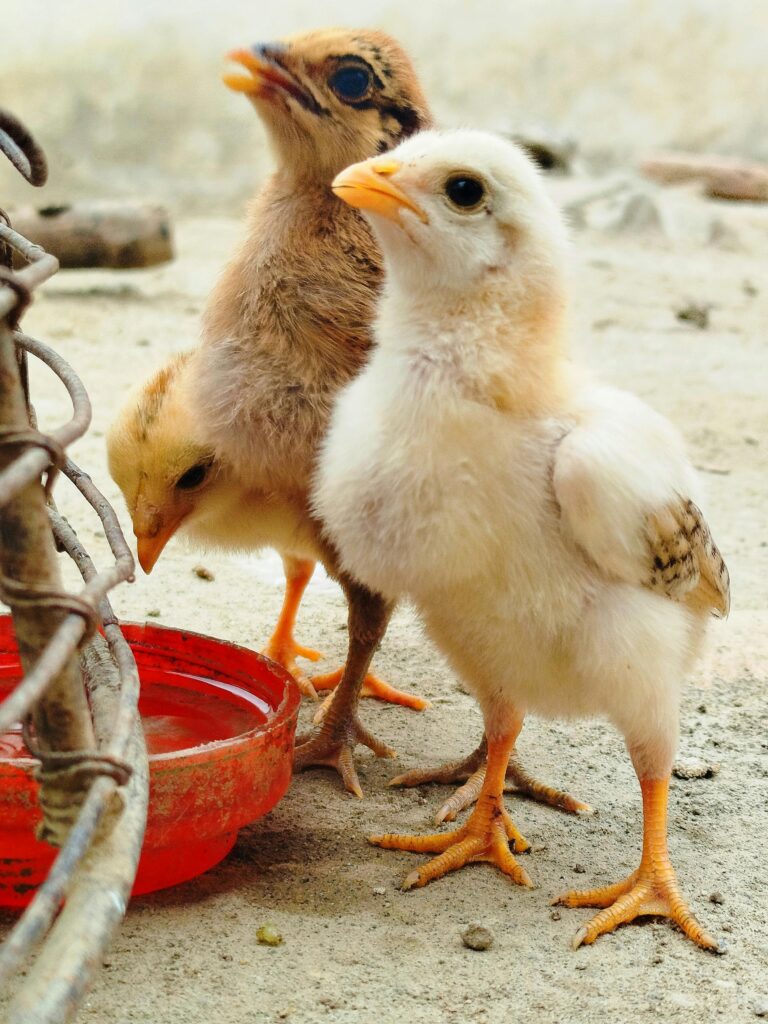
Switch to enclosed nipple or cup waterers that shield the supply from environmental contamination. If you prefer open designs, empty, scrub with a brush, and refill daily. Hang waterers at shoulder height to prevent roosting on the rim.
Use opaque or UV-resistant containers to block sunlight and slow algae growth. Adding one tablespoon of apple cider vinegar per gallon once per week inhibits biofilm formation though never use this in metal containers, as the acid corrodes galvanized surfaces. A four-gallon hanging cup waterer costs roughly forty to fifty dollars and keeps four to six birds hydrated for two to three days between refills.
Mistake 11: Choosing the Wrong Breed for Your Climate
Hatchery catalogs sell breeds based on egg color, feather pattern, and cuteness, which makes choosing the right breed one of the most common mistakes when raising chickens for beginners. They rarely warn that fluffy dual-purpose breeds like Brahmas and Orpingtons struggle when temperatures exceed one hundred degrees with stagnant humidity. Heat-stressed birds pant, hold their wings away from their bodies, and stop laying entirely. In extreme cases, heatstroke kills birds within hours.
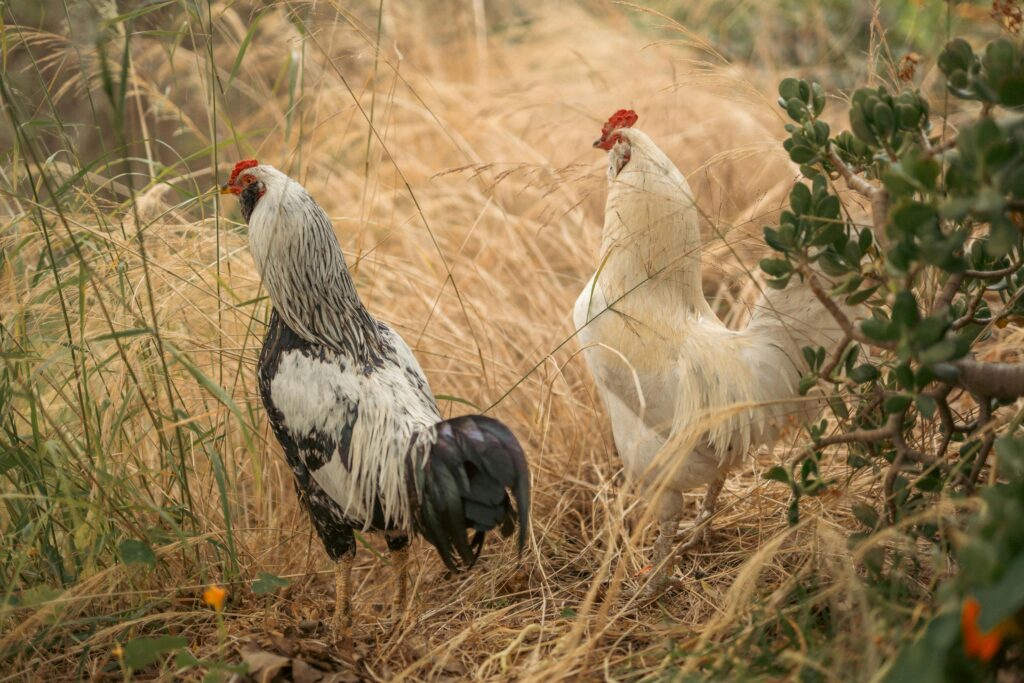
If you live in Arizona, Texas, Florida, or Southern California, prioritize Mediterranean breeds such as Leghorns, Anconas, Andalusians, Catalanas, and Egyptian Fayoumis. These birds have large combs, lighter body weights, and sparse feathering that dissipates heat efficiently.
For regions with hot summers and cold winters, Rhode Island Reds, Easter Eggers, Golden Comets, and Delawares offer durable middle-ground performance. Avoid heavy feathered breeds in hot-humid zones unless you can provide exceptional shade, constant cross-ventilation, and mister systems. Always source from NPIP-certified hatcheries that test for climate-relevant disease resistance.
Mistake 12: Ignoring Local Laws and HOA Rules
Beginners assume backyard poultry is universally accepted when they first start raising chickens for beginners. It is not. Zoning ordinances limit flock sizes, ban roosters outright, mandate coop setbacks from property lines, and require livestock permits. Homeowners associations enforce covenants that explicitly prohibit poultry, and violation penalties escalate quickly. In one documented Michigan case, a couple accumulated $31,500 in HOA fines over chickens kept in violation of their community’s covenants.
Before you buy birds, search your municipal code using the phrase “[your city] municipal code chickens.” Call your county zoning office and ask direct questions: Is there a flock size cap? Are roosters prohibited? What is the minimum coop setback? Is a livestock or building permit required? If you live under an HOA, read the CC&Rs for terms like livestock, poultry, or barnyard animals. If permits are required, file them before construction begins. Preemptive neighbor diplomacy also helps—offering a carton of fresh eggs builds goodwill that prevents anonymous complaints.
Mistake 13: Overfeeding Treats and Table Scraps
Chickens beg effectively when you are raising backyard chickens for beginners. They run toward the back door, chirp loudly, and look disappointed when you walk past with kitchen scraps. Beginners respond by tossing handfuls of bread, pasta, and leftover cereal into the run. The result is nutritional dilution. Treats push aside complete feed, causing protein deficiencies, obesity, and a sharp drop in egg production.
Treats should stay below ten percent of total diet by weight. Offer leafy greens, plain yogurt, cooked pumpkin, or dried mealworms as safe options. Never feed avocado, chocolate, caffeine, alcohol, raw dry beans, green potato skins, or salty processed foods—these are toxic to poultry. Keep the complete feed available free-choice at all times so birds can self-correct when they need actual nutrition instead of entertainment.
Mistake 14: Missing the Egg Collection Window
Eggs do not wait for your schedule. They get stepped on, cracked by roosting hens, frozen in winter, or discovered by the flock themselves. Once a hen tastes a broken egg, she develops a habit of intentional egg-eating that is notoriously difficult to break. Rotten eggs also attract rats, flies, and roaming predators to the coop perimeter.
Collect eggs once in the morning and once in the evening. Remove any cracked eggs immediately so the flock does not learn to associate the nest box with food. Placing ceramic or wooden nest eggs in each box discourages pecking by teaching birds that nest contents are unbreakable. Space math is only half the equation. Our How Many Chickens Should a Beginner Start With? article shows why starting with four hens instead of six can save you two hundred dollars in upfront costs and prevent the overcrowding mistakes covered here.
Mistake 15: Trusting Dogs and Pets Around the Flock
The phrase “my dog is sweet” has preceded more backyard flock disasters than any other sentence when people first start raising chickens for beginners. Domestic dogs represent the single most common unreported predator of small poultry flocks. A playful chase, even without biting, can break a chicken’s back or cause fatal shock. Cats pose less risk to adult hens but will target small chicks. The problem is not malice—it is instinct triggered by fluttering wings and high-pitched distress calls.
Never leave dogs unsupervised with chickens until the dog has proven completely trustworthy for months of consistent behavior. Run panels should be tall enough that a jumping dog cannot clear them, and the mesh must be hardware cloth—not chicken wire, which a motivated dog snaps with body weight. Train the dog from outside the run using firm leave-it commands. If the dog ever shows fixation, stalking, or chase drive, assume permanent physical separation is required. A motion-activated sprinkler near the coop perimeter adds an automated deterrent layer.
The Data That Should Change How You Build
The table below consolidates the key statistics every beginner should know before bringing birds home when starting their journey raising chickens for beginners. These numbers are drawn from university extension surveys, NFPA fire reports, peer-reviewed veterinary studies, and international poultry research.
| Risk Factor | Statistic | Source |
|---|---|---|
| Predation challenge rate | 48.8% of backyard keepers rated minimizing predation as their top challenge | UC Extension Survey |
| Predator mortality (free-range) | 3.7% average; up to 12% in poorly protected flocks | PMC / Animals Journal (2019) |
| Predator losses (hot climates) | >15% of backyard flocks in high-predator regions lost birds to raptors and rats | MDPI Animals Journal: Morocco Study (2023) |
| Normal first-week chick mortality | 1–5% is considered acceptable; above 5% signals management failure | Big Dutchman (2024) |
| Brooder temperature mismanagement | 32.1% of surveyed managers failed to adjust temperatures; recorded higher mortality | IJEAB Survey |
| Heat lamp fire contribution | Heating equipment involved in 23% of barn structure fires | NFPA / FEMA Report |
| Heat lamp property damage | $2 million in direct damage from 2006–2010 | NFPA Data |
| Startup cost (4–6 hens) | $840–$1,340 average investment before first egg | Industry Cost Calculators |
| Layer feed calcium concentration | ~3.5% calcium—3× the safe maximum for growing chicks | PubMed / Guo et al. (2005) |
| Gout mortality range | 2–15% mortality in typical gout outbreaks from excess calcium | Tripoli Veterinary Study |
| Coop space recommendation | Minimum 3 sq ft per bird inside with outdoor access; 8–10 sq ft if fully confined | Oregon State University Extension |
| Predator-proofing ROI | Hardware cloth investment ($100–$300) costs less than replacing a breached flock ($600–$1,300) | Calculated from market pricing |
The numbers tell a clear story for anyone raising chickens for beginners. Predator-proofing costs a fraction of replacement. Heat plates cost less than fire damage. Correct feed costs exactly the same as wrong feed but prevents organ damage. Raising chickens for beginners becomes expensive only when prevention is skipped.
Frequently Asked Questions
How do I start raising chickens for the first time? Start by checking your local zoning laws and HOA rules for flock limits and rooster bans when raising backyard chickens for beginners. Then build or buy a predator-proof coop with four square feet per bird inside and ten square feet per bird in the run. Order day-old chicks from an NPIP-certified hatchery, set up a brooder with a heat plate at ninety-five degrees Fahrenheit, and feed eighteen to twenty percent protein chick starter for the first six weeks.
How much space do chickens need? Standard chickens need a minimum of four square feet of coop space per bird and ten square feet of run space per bird when confined. Bantams need two square feet inside and five square feet outside. Heavy breeds such as Orpingtons require eight square feet inside and fifteen outside to avoid stress and disease.
How much space do chickens need in the coop? Each standard chicken needs four square feet of floor space inside the coop, plus eight inches of roost bar per bird and one nesting box for every four to five hens. Heavy breeds need eight square feet per bird. Overcrowding causes pecking, stress, and respiratory illness from ammonia buildup.
Should beginners start with chicks or hens? Beginners should start with pullets if they want eggs within weeks and easier care. Start with day-old chicks if they want lower cost, stronger human bonding, and full control over handling and nutrition. Chicks require a brooder, heat plate, and starter feed for sixteen weeks before the first egg arrives.
What are the biggest mistakes when raising chickens? The biggest mistakes are using chicken wire instead of hardware cloth, feeding layer feed to chicks, relying on heat lamps instead of brooder plates, skipping quarantine for new birds, ignoring local zoning laws, and building coops that are too small. Each mistake is preventable with correct information and modest upfront investment.
Conclusion: Build the Flock That Lasts
Raising chickens for beginners is not complicated, but it is unforgiving. The birds cannot tell you when the waterer has turned into a bacterial soup, when the heat lamp is scorching their feathers, or when the coop ventilation is silently burning their lungs. They rely entirely on the systems you build before they arrive.
The fifteen mistakes above are not theoretical. They show up in veterinary necropsy reports, in NFPA fire databases, in HOA court filings, and in extension office phone logs every single week. Preventing them does not require exceptional skill when you are raising chickens for beginners. It requires the discipline to measure the coop before building, to read the feed label before pouring, to run the heat plate for forty-eight hours before the chicks arrive, and to install hardware cloth before the raccoons find your run.
If you are building a run from scratch, the Raising Chickens for Beginners: The Best Backyard Setup Guide (2026) includes a printable hardware cloth cutting list and a predator-proofing checklist that covers every gap a raccoon can exploit. For authoritative construction standards, Oregon State University Extension provides detailed guidance on coop space, ventilation, and predator-proofing mesh specifications in their Living on the Land: Backyard Chicken Coop Design publication.
Get the numbers right on day one, and your flock will pay you back in eggs, compost, and quiet backyard satisfaction for years to come.