Practical backyard chicken guides for beginners.

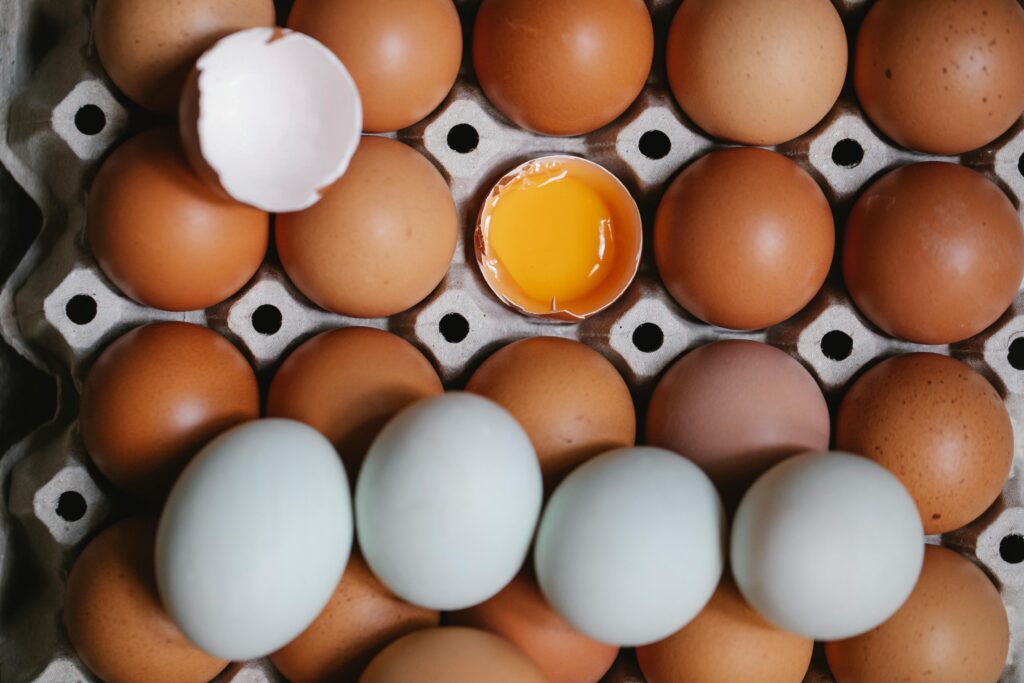
Every chicken keeper eventually finds one: an egg that looks wrong. The shell might be soft, the yolk might have a blood spot, or the white might look more like water than albumen. These abnormal chicken eggs trigger immediate concern, especially for beginners who have just started their backyard flock and are unsure what constitutes normal variation versus a warning sign.
Understanding what causes abnormal chicken eggs, how to categorise each defect, and whether the egg is still safe to eat saves you unnecessary panic and helps you spot real health problems in your hens before they become serious.
A hen produces an egg through a 24- to 26-hour cycle. During that cycle, the yolk forms in the ovary, moves through the oviduct, where albumen and membranes are added, and finishes in the shell gland, where calcium carbonate deposits create the hard outer shell. Interruptions at any stage, from nutrition gaps to heat stress to viral infections, produce the abnormal chicken eggs and egg shell quality problems that land in your nest box. This guide breaks down every major defect category in abnormal chicken eggs, maps each one to its most likely causes, and provides a clear action plan for each scenario.
How to Classify Egg Defects: The Three-Layer System
Before diagnosing individual problems, you need a classification framework. Abnormal chicken eggs fall into three anatomical zones: the shell (external), the albumen (egg white), and the yolk (internal). Shell problems are the easiest category of abnormal chicken eggs to spot because they are visible without cracking the egg open.
Albumen and yolk problems require candling or cracking to detect, but they often signal deeper issues with nutrition, disease, or hen age. The three-layer system matters because each zone points to different root causes of abnormal chicken eggs. Shell defects usually trace back to calcium metabolism, environmental stress, or infectious bronchitis.
Albumen defects, particularly watery whites, often indicate damage from infectious bronchitis or advanced hen age. Yolk defects such as blood spots, pale colour, or double yolks are linked to nutrition, genetics, or reproductive tract events. When you find abnormal chicken eggs, your first diagnostic step is determining which layer is affected. According to University of Florida IFAS Extension research on infectious bronchitis and egg production, respiratory diseases are among the leading infectious causes of egg shell quality problems in backyard poultry flocks.
| Defect Category | What You See | Primary Cause Buckets |
|---|---|---|
| Shell defects | Wrinkles, soft spots, misshaping, pale color | Calcium deficiency, heat stress, infectious bronchitis, EDS |
| Albumen defects | Watery whites, thin consistency | IB damage, old age, storage conditions |
| Yolk defects | Blood spots, pale yolks, double yolks | Nutrition, genetics, reproductive trauma |
Why Are My Chickens Laying Soft Eggs?
Soft-shelled eggs are the most common type of abnormal chicken eggs that alarm new keepers. A soft-shelled abnormal chicken egg has a thin, flexible membrane with only a partial calcium coating, giving it a leathery feel that collapses under gentle pressure. Unlike a completely shell-less egg, which has no hard covering, a soft-shelled egg has some structural integrity but cannot withstand normal handling or storage. The primary cause of these abnormal chicken eggs is calcium deficiency.
A hen needs approximately 3.5 to 4.5 grams of calcium per day to form a normal shell, and if her diet falls short, her body pulls calcium from medullary bone stores. Those stores deplete within days. Once they are gone, shell quality drops immediately, and the result is abnormal chicken eggs with soft or thin shells. The Manna Pro Crushed Oyster Shell (~$15 on Amazon) provides a free-choice calcium supplement that hens can consume as needed, and it absorbs faster than mixed-in feed calcium when you are trying to correct a deficiency quickly.
Heat stress is the second major cause of soft, abnormal chicken eggs. When ambient temperatures exceed 85 degrees Fahrenheit, hens pant to cool themselves and blood flow diverts away from the shell gland toward the comb and wattles. That reduced blood flow means less calcium reaches the shell-forming tissue, producing thin or soft shells even when dietary calcium is adequate. Older hens also lay more soft-shelled, abnormal chicken eggs because their shell glands become less efficient with age.
Infectious diseases, particularly infectious bronchitis and egg drop syndrome, directly damage the reproductive tract and produce soft shells and other egg shell quality problems as primary symptoms. If you see multiple hens laying soft, abnormal chicken eggs simultaneously, infectious disease becomes the most likely explanation and warrants immediate veterinary consultation. The Rooster Booster Poultry Cell Vitamin Supplement (~$18 on Amazon) supports hens recovering from stress or mild illness by providing B vitamins, iron, and amino acids that help rebuild reproductive tissue function.
Understanding Egg Drop Syndrome and What It Means for Your Flock
Egg drop syndrome, also called EDS-76, is a viral infection caused by an avian adenovirus that specifically targets laying hens. It produces pale, soft-shelled, or shell-less abnormal chicken eggs and can reduce egg production by up to 40 per cent while causing ongoing egg shell quality problems during an active outbreak. The virus spreads through contaminated eggs, equipment, and water, and can be introduced to your flock through contact with wild birds, including ducks.
A 2025 study published in Comparative Immunology, Microbiology and Infectious Diseases found seroprevalence rates exceeding 54 per cent in tested commercial flocks in Algeria, with the highest prevalence occurring during summer months and in high-density housing conditions. While that study focused on commercial operations, the transmission mechanics are identical for backyard flocks: poor biosecurity, wild bird contact, and introduction of new birds without quarantine.
There is no treatment for egg drop syndrome. Antibiotics do not work because it is a viral infection. The only management strategy is prevention through strict biosecurity. Quarantine any new birds for 30 days before introducing them to your existing flock. Keep feed and water covered to prevent contamination by wild birds.
Disinfect equipment between uses. If EDS enters your flock, affected hens typically recover slowly over 6 to 8 weeks, but egg quality may remain compromised for months, and abnormal chicken eggs with egg shell quality problems may continue during recovery. Vaccines exist for commercial operations but are generally not available in small quantities for backyard keepers.
The key takeaway for backyard beginners is this: if multiple hens suddenly start laying pale, soft, or shell-less eggs, and you recently introduced new birds or had wild bird contact, EDS should be on your differential diagnosis list alongside infectious bronchitis. The Harris Farms Plastic Quarantine Cage (~$45 on Amazon) provides a dedicated isolation space for new or sick birds and is the single most practical tool for preventing EDS and other infectious diseases from spreading through your flock.
20 Common Egg Shell Quality Problems Explained
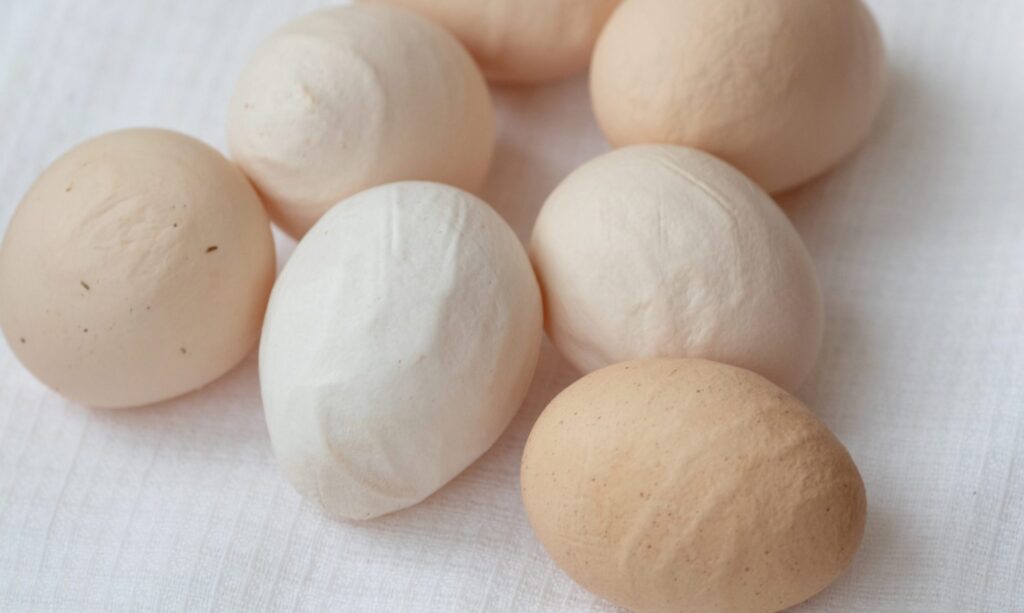
Shell defects are the most common category of abnormal chicken eggs and are the easiest to identify because they are visible immediately upon collection. The shell consists of approximately 95 per cent calcium carbonate with small amounts of organic matrix and trace minerals, and its formation depends on precise timing in the shell gland over roughly 20 hours.
Any disruption — nutritional, environmental, infectious, or mechanical — leaves a visible mark. Understanding the specific shell defect you are seeing narrows down the cause dramatically and tells you whether the abnormal chicken eggs you are collecting represent a one-time event or a pattern requiring intervention. If you are seeing repeated abnormal chicken eggs with shell issues, start by ruling out infectious bronchitis and calcium deficiency, which together account for the majority of persistent egg shell quality problems in backyard flocks.
Pale shells are one of the most commonly reported abnormal chicken eggs in backyard flocks. They occur when brown-egg layers lay eggs noticeably lighter than their usual shade. This happens because infectious bronchitis, egg drop syndrome, or high stress disrupts pigment deposition in the shell gland, creating egg shell quality problems that are visible immediately.
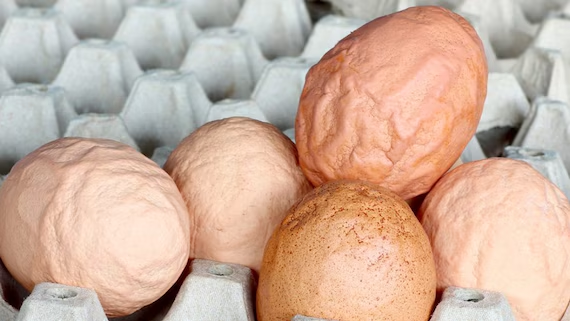
Older hens also naturally produce paler eggs as they age. Wrinkled shells have thin creases across the surface and usually indicate stress during calcification, infectious bronchitis infection, or a defective shell gland in older hens. Corrugated shells show rough, wavy ridges and result from incomplete plumping of the egg membrane before shell deposition, which is common in hens recovering from IB or experiencing heat stress that causes abnormal chicken eggs.
Calcium deposits appear as white, irregular spots or a powdery coating on the shell surface, typically caused by excess dietary calcium or disturbances during shell formation. These abnormal chicken eggs are harmless but indicate that dietary adjustments may be needed to prevent egg shell quality problems from worsening. Slab-sided eggs have one flat side where two eggs contacted each other in the shell gland, caused by lighting changes or stress. Misshapen eggs deviate from the normal oval form and point to immature shell glands, respiratory disease, or overcrowding.
For persistent abnormal chicken eggs with shell quality problems, switching to a nutritionally complete layer feed formulated for your hen’s age and breed resolves most non-infectious causes. The Small Pet Select 16% Layer Feed (~$28 on Amazon) provides consistent 16% protein with optimised calcium-to-phosphorus ratios, eliminating the guesswork of mixing your own rations.
If you are already feeding a quality layer ration but still seeing shell defects, add free-choice oyster shell in a separate container so hens can self-regulate calcium intake based on their individual needs. This single change eliminates most egg shell quality problems and dramatically reduces abnormal chicken eggs in the majority of backyard flocks.
| Shell Defect | Visual Description | Most Likely Cause |
|---|---|---|
| Pale shells | Brown eggs turn light tan or white | IB, EDS, age, stress |
| Wrinkled shells | Creased, rippled surface | Stress, IB, defective shell gland |
| Corrugated shells | Rough wavy ridges | Heat stress, IB recovery, poor plumping |
| Calcium deposits | White powdery spots | Excess calcium, calcification disturbance |
| Slab-sided eggs | One flat side | Ridge or belt around the middle |
| Misshaped eggs | Round, elongated, or irregular | Immature shell gland, disease, overcrowding |
| Body-checked eggs | High humidity, disease, and manganese deficiency | Crack repaired during calcification |
| Mottled shells | Translucent glassy spots | High humidity, disease, manganese deficiency |
Shell-Less Eggs: Emergency or Normal?
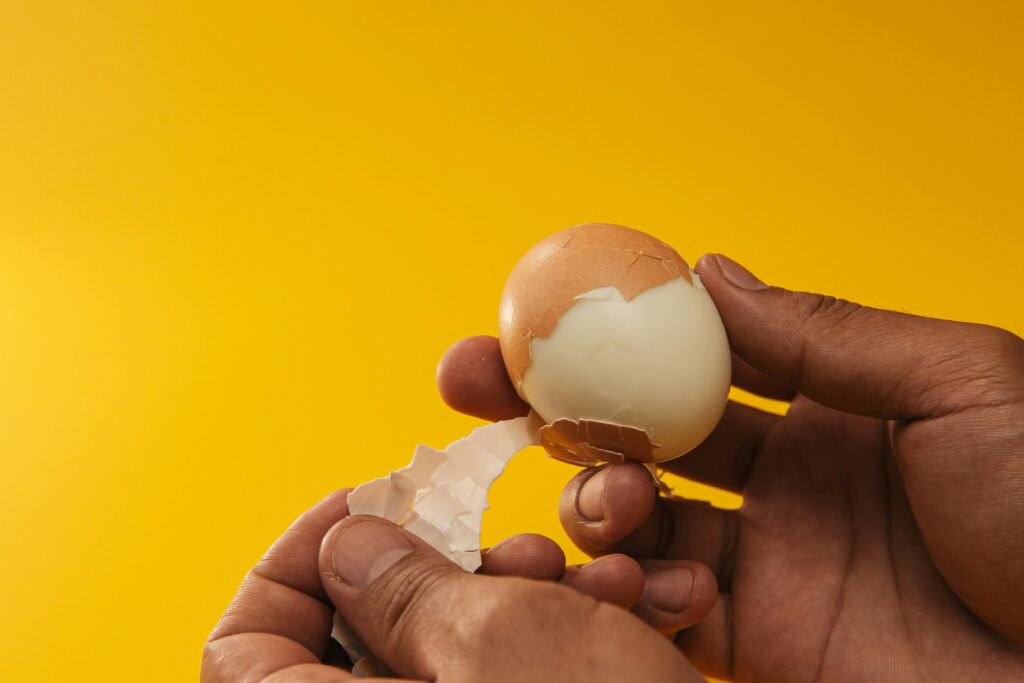
Finding a shell-less egg with a yolk and white wrapped only in a thin membrane, among your abnormal chicken eggs, is startling, but it is not always an emergency. Young pullets coming into lay for the first time commonly produce one or two shell-less abnormal chicken eggs as their reproductive systems synchronise.
This normalises within a week or two without intervention. A mature hen laying a shell-less egg after a nighttime predator disturbance is also producing a one-time stress response that resolves on its own without further abnormal chicken eggs. However, when a mature hen produces multiple shell-less eggs in a week, or when multiple hens in your flock start laying them simultaneously, the cause shifts from normal variation to pathology.
Nutritional deficiencies, particularly calcium, phosphorus, manganese, or vitamin D3, are the most common correctable causes of these abnormal chicken eggs. Diseases, including infectious bronchitis, Newcastle disease, avian influenza, and egg drop syndrome, also produce these abnormal chicken eggs, typically affecting multiple birds at once and creating both shell and internal egg defects.
The critical distinction when evaluating abnormal chicken eggs is singularity versus pattern. A single shell-less egg from a single hen: monitor and do not panic. Multiple shell-less eggs from one hen for more than three days: check nutrition and consider a veterinary exam.
Multiple hens simultaneously laying abnormal chicken eggs with similar shell defects: assume infectious disease and implement biosecurity protocols immediately. The Premier 1 Supplies Poultry Nutri-Drench (~$12 on Amazon) delivers fast-absorbing vitamins A, D, and E along with calcium and phosphorus in liquid form, making it useful for rapid nutritional correction when you suspect deficiency-driven egg shell quality problems.
Add it to drinking water for 3 to 5 days while you assess whether the abnormal chicken eggs resolve or the problem progresses.
Blood Spots, Meat Spots, and Yolk Defects
Blood spots appear as small red dots on or near the yolk surface. They form when a tiny blood vessel ruptures during ovulation, releasing a minute amount of blood that becomes enclosed with the yolk. Meat spots are brown or tan tissue fragments found in the albumen, usually consisting of sloughed reproductive tract tissue or degenerated blood spots.
Both are more common in young pullets entering lay and in older hens nearing the end of their productive cycle. Blood spots occur in approximately 1 to 3 per cent of all eggs commercially, but the rate is higher in backyard flocks where hens experience more variable stress, lighting, and nutrition conditions. Blood spots and meat spots do not indicate disease, and these types of abnormal chicken eggs remain safe to eat. They are simply cosmetic variations, not signs of infection or contamination. Simply remove the spot with a spoon if it bothers you.
Pale yolks result from insufficient dietary pigments. Hens that free-range on green pasture and eat yellow corn or marigold-supplemented feed produce deep orange yolks. Hens fed only grain-based diets without pigment sources produce noticeably paler yolks. The colour change is cosmetic and does not affect nutritional value.
Double yolks in abnormal chicken eggs happen when two yolks mature simultaneously and are released together into the oviduct. They are common in young pullets whose hormonal cycles are still stabilising and are completely safe to eat.
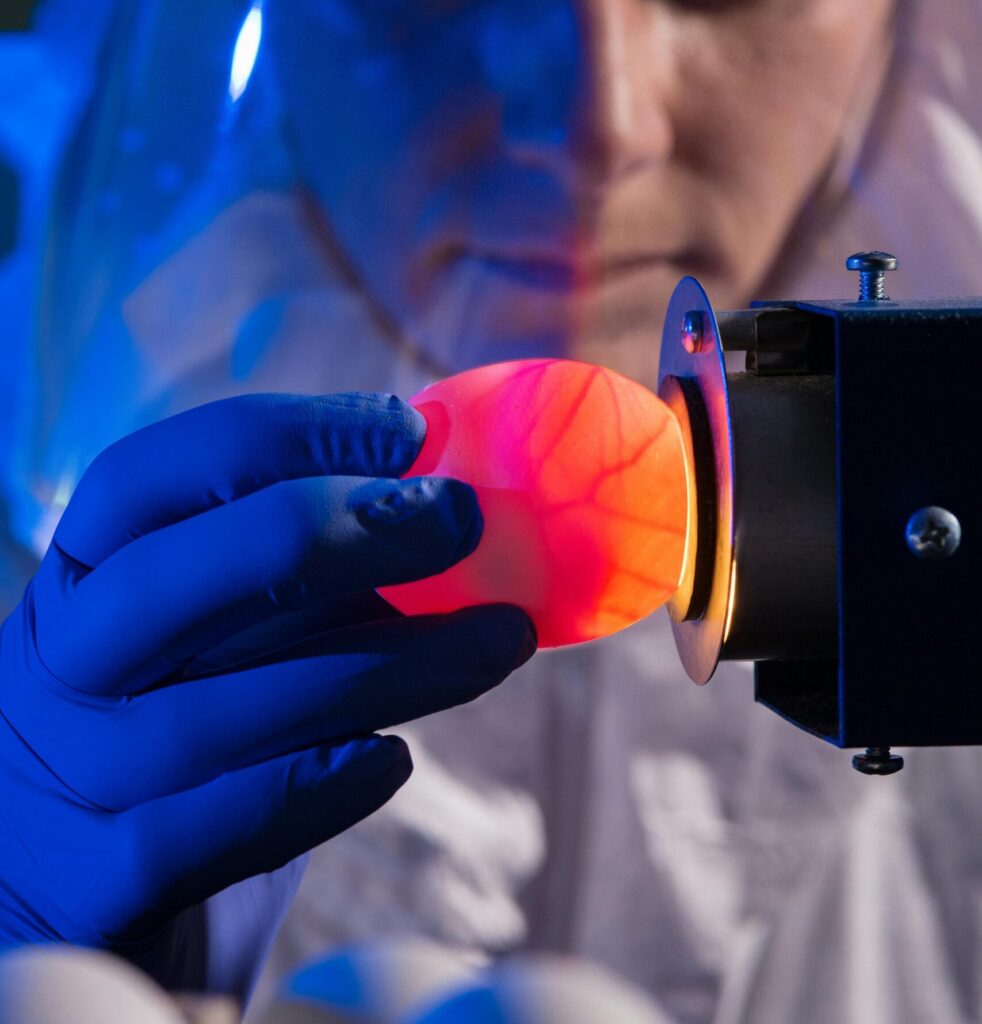
The Brinsea Products Egg Candler (~$25 on Amazon) lets you check egg interiors without cracking them, which is valuable for identifying blood spots, meat spots, or developing embryos if you keep a rooster. This tool is especially helpful when you want to inspect abnormal chicken eggs with suspected internal defects without breaking them open.
| Yolk Defect | What It Looks Like | Safe to Eat? |
|---|---|---|
| Blood spots | Small red dot on yolk surface | Yes — remove if desired |
| Meat spots | Brown/tan fleck in white | Yes — remove if desired |
| Pale yolks | Light yellow instead of deep orange | Yes — cosmetic only |
| Double yolks | Two yolks in one egg | Yes — common in pullets |
Watery Whites and Albumen Quality Problems
Albumen quality degrades predictably as hens age. A young hen produces eggs with thick, firm whites that hold the yolk centred in the shell. As she progresses past 60 weeks of age, the thick albumen naturally thins, causing the yolk to move more freely and appear larger when the egg is cracked.
This ageing process is normal, and the eggs remain edible, though they do not hold their shape as well when fried or poached. However, watery whites in a young or middle-aged hen signal a different problem than normal ageing and often indicate an infectious disease behind the abnormal chicken eggs.
Infectious bronchitis permanently damages the magnum section of the oviduct, where albumen-forming cells live. Hens that recover from IB often produce watery whites for months afterwards, and in some cases, the damage is permanent.
The only prevention is vaccination against IB before exposure occurs. Watery whites are among the most commonly reported albumen defects in abnormal chicken eggs from backyard flocks, and they often indicate prior IB exposure that caused egg shell quality problems as well.
Storage conditions also affect albumen quality. Eggs stored at room temperature lose carbon dioxide through their porous shells, causing the white to thin and become more alkaline over time. Refrigeration at 40 degrees Fahrenheit or below maintains thick albumen for several weeks. If your fresh eggs from young hens suddenly start showing thin, watery whites, infectious bronchitis is the primary concern, and you should expect abnormal chicken eggs to continue for several weeks during recovery.
If only your older hens show this change, age is the likely cause. Research from the University of Florida IFAS Extension confirms that IB virus destroys the mucin-secreting cells in the magnum of the oviduct, producing the watery albumen that is characteristic of this disease and associated with abnormal chicken eggs in backyard flocks.
The Brower 4-Hole Nest Box (~$55 on Amazon) provides individual laying spaces that reduce stress and soiling, which helps maintain both shell and albumen quality by giving hens a calm, clean environment for egg formation.
Are Abnormal Chicken Eggs Safe to Eat?
This is the first question every chicken keeper asks, and the answer depends entirely on the type of defect and its underlying cause. Eggs with cosmetic defects, such as blood spots, meat spots, double yolks, pale yolks, minor shape variations, and small calcium deposits, are completely safe to eat. Remove the spot if it bothers you, but these defects pose no health risk.
Among abnormal chicken eggs, those with shell defects require more careful evaluation. Soft-shelled eggs and shell-less eggs are vulnerable to bacterial contamination because they lack the protective hard barrier, so they should be discarded unless collected immediately and cooked thoroughly the same day. Eggs with cracks should never be eaten because bacteria can penetrate through the broken shell.
Wrinkled, corrugated, or misshapen eggs with intact hard shells are safe to eat as long as the shell has no cracks and the interior smells normal when cracked.
The safety decision changes when disease is involved. If your flock has active infectious bronchitis, Newcastle disease, or egg drop syndrome, the eggs themselves are not necessarily dangerous to humans, but the handling process becomes biosecurity-critical. Wash your hands thoroughly after collecting abnormal chicken eggs from affected hens.
Do not eat raw or undercooked eggs from sick hens. Cook abnormal chicken eggs from recovered hens to an internal temperature of 160 degrees Fahrenheit to eliminate any potential bacterial contamination. The most important safety rule when handling abnormal chicken eggs is this: when in doubt, throw it out. A single discarded egg costs pennies. A foodborne illness costs infinitely more.
For a complete guide on building a biosecure coop from day one, read our article on Raising Chickens for Beginners: The Best Backyard Setup Guide (2026).
Seasonal Patterns in Egg Quality
Egg quality fluctuates predictably with the seasons, and understanding these patterns helps you distinguish normal seasonal variation from emerging problems. Winter produces more shell defects because cold weather reduces feed intake, and hens consume less calcium overall, even when it is available free-choice. Frozen water disrupts hydration, which is critical for albumen formation.
Artificial lighting changes that add supplemental light to maintain winter production can trigger temporary defects, such as slab-sided eggs or body-checked shells, as hens readjust their cycles. Spring brings the highest rate of pullet-related abnormal chicken eggs as young birds enter lay. Double yolks, soft shells, and fairy eggs are all common abnormal chicken eggs in young birds that peak during this hormonal adjustment period.
Summer is the most challenging season for shell quality. Heat stress above 85 degrees Fahrenheit consistently produces thin, soft shells and pale colours because blood flow shifts away from the shell gland.
A study published in the Nigerian Journal of Animal Production found that external and internal egg quality were both significantly better during the cold season than the rainy season in semi-arid conditions, confirming that temperature and humidity directly impact shell integrity and reduce egg shell quality problems during hot, humid periods when abnormal chicken eggs become more frequent.
Autumn defects cluster around moult transitions, when hens redirect nutrients from egg production toward feather regrowth and abnormal chicken eggs with various egg shell quality problems become more common during this nutritional shift. Understanding these seasonal rhythms helps you avoid overreacting to normal variation while staying alert to true problems that emerge outside expected patterns.
| Season | Most Common Defects | Prevention Strategy |
|---|---|---|
| Winter | Shade, ventilation, cool water, and early morning collection | Thin shells, pale colour, slab-sided eggs |
| Spring | Double yolks, soft shells, fairy eggs | Expect normal pullet defects, boost calcium for new layers |
| Summer | Soft shells, heat-paled shells, thin whites | Mixed defects during moult |
| Autumn | Mixed defects during molt | Increase protein to 18%, reduce stress, expect lower production |
How to Prevent Abnormal Chicken Eggs: A Systematic Approach
Prevention of abnormal chicken eggs follows a hierarchy: nutrition first, environment second, biosecurity third. Start with a complete layer feed formulated for your hens’ age and production stage. Do not dilute layer feed with scratch grains, cracked corn, or kitchen scraps beyond 10 per cent of the total diet. Dilution is the most common preventable cause of abnormal chicken eggs and egg shell quality problems in backyard flocks.
Provide free-choice calcium in the form of crushed oyster shell or coarse limestone, available in a separate container at all times. Ensure hens have access to clean, fresh water daily; dehydration directly reduces blood flow to the reproductive tract and produces soft shells within 24 to 48 hours.
Environmental management to prevent abnormal chicken eggs means adequate ventilation to prevent heat buildup and respiratory stress, nest boxes with clean bedding changed weekly, and floor space of at least 4 square feet per bird inside the coop and 10 square feet per bird in the run.
Overcrowding produces stress that manifests as shell defects and eggshell quality problems within days, and abnormal chicken eggs soon follow. Biosecurity means quarantining new birds for 30 days, keeping wild birds away from feed and water, and disinfecting equipment between flocks. If you are just starting your flock and want to know exactly how many birds your space can support without triggering the stress that causes abnormal chicken eggs and egg shell quality problems, read our guide on How Many Chickens Should a Beginner Start With?.
When to Call a Veterinarian About Abnormal Chicken Eggs
Most abnormal chicken eggs resolve with nutritional correction or stress reduction within 1 to 2 weeks, though persistent egg shell quality problems may require longer intervention. However, certain patterns require professional veterinary evaluation.
Call a poultry veterinarian if: multiple hens develop similar defects simultaneously and produce abnormal chicken eggs with matching egg shell quality problems; a single hen produces soft or shell-less eggs for more than 7 consecutive days; you observe respiratory signs (coughing, sneezing, nasal discharge) alongside abnormal chicken eggs; egg production drops by more than 20 percent in a week; or hens show lethargy, reduced appetite, or vent prolapse in addition to laying abnormal eggs.
Early veterinary intervention for infectious bronchitis or egg drop syndrome prevents permanent damage to the reproductive tract and reduces flock-wide spread. The University of Florida IFAS Extension notes that infectious bronchitis can cause permanent oviduct damage in young pullets, resulting in misshapen eggs and reduced production for the bird’s entire life, making early diagnosis and prevention critically important for long-term flock productivity.
FAQ
Q: Why are my chickens laying soft eggs all of a sudden? A: Sudden soft eggs usually mean one of three things: calcium deficiency, heat stress, or infectious disease. Check that your hens have access to a complete layer feed with 3.5 to 4 percent calcium and free-choice oyster shell. If temperatures exceeded 85 degrees Fahrenheit recently, heat is the likely cause. If multiple hens are affected simultaneously, test for infectious bronchitis or egg drop syndrome.
Q: Are eggs with blood spots safe to eat? A: Yes. Blood spots form when a tiny blood vessel ruptures during ovulation, and they do not indicate disease or contamination. Simply remove the spot with a spoon if it bothers you. Eggs with blood spots smaller than 1/8 inch meet USDA Grade B standards and are fully safe for consumption.
Q: What is egg drop syndrome and can it spread to my whole flock? A: Egg drop syndrome (EDS-76) is a viral infection that causes pale, soft-shelled, or shell-less eggs and can reduce production by up to 40 percent. It spreads through contaminated eggs, water, equipment, and wild bird contact. Yes, it can spread to your entire flock, which is why strict biosecurity and 30-day quarantine for new birds are essential prevention measures.
Q: How long do backyard chicken eggs last in the refrigerator? A: Unwashed backyard eggs stored at 40 degrees Fahrenheit or below maintain Grade A quality for approximately 45 days. Washed eggs should be refrigerated immediately and used within 3 weeks. Store eggs pointed-end down to keep the yolk centered and the air cell stable.
Q: Should I discard eggs if my hen has infectious bronchitis? A: Eggs from hens with infectious bronchitis are not inherently dangerous to humans, but handle them with strict hygiene. Do not eat raw or undercooked eggs from sick hens. Cook all eggs to 160 degrees Fahrenheit internal temperature. Discard any eggs with cracked shells, and wash hands thoroughly after collection to prevent spreading the virus to other birds.
Conclusion: Your Egg Quality Action Plan
Abnormal chicken eggs are a normal part of keeping backyard poultry, but they are also one of your most useful diagnostic tools. Every egg in your nest box is data. A wrinkled shell indicates stress or infectious bronchitis. A watery white point to IB damage or advancing hen age. A pale shell signals pigment disruption from disease or environmental change.
A soft shell in abnormal chicken eggs screams calcium deficiency or heat stress. Your job is not to prevent every abnormal chicken egg that is impossible, but to recognise patterns, act on them systematically, and know when a defect is cosmetic versus when it signals infectious disease, nutritional deficiency, or other egg shell quality problems that threaten flock health.
Start today with a nutrition audit. Check your feed label for 16 to 18 per cent protein and 3.5 to 4 per cent calcium. Add free-choice oyster shell if you have not already. Please check your coop ventilation and ensure the summer shade is adequate. Review your biosecurity: are you quarantining new birds? Is wild bird access blocked? Write down every abnormal chicken egg you find for the next two weeks, noting the date, hen (if known), defect type, and any weather or stress events. That log becomes your diagnostic foundation.
If abnormal chicken eggs persist beyond two weeks despite nutritional correction and you continue seeing egg shell quality problems, contact a poultry veterinarian. For more guidance on building a healthy, productive flock from the ground up, explore our complete beginner resources at mychickensguide.com.