Practical backyard chicken guides for beginners.
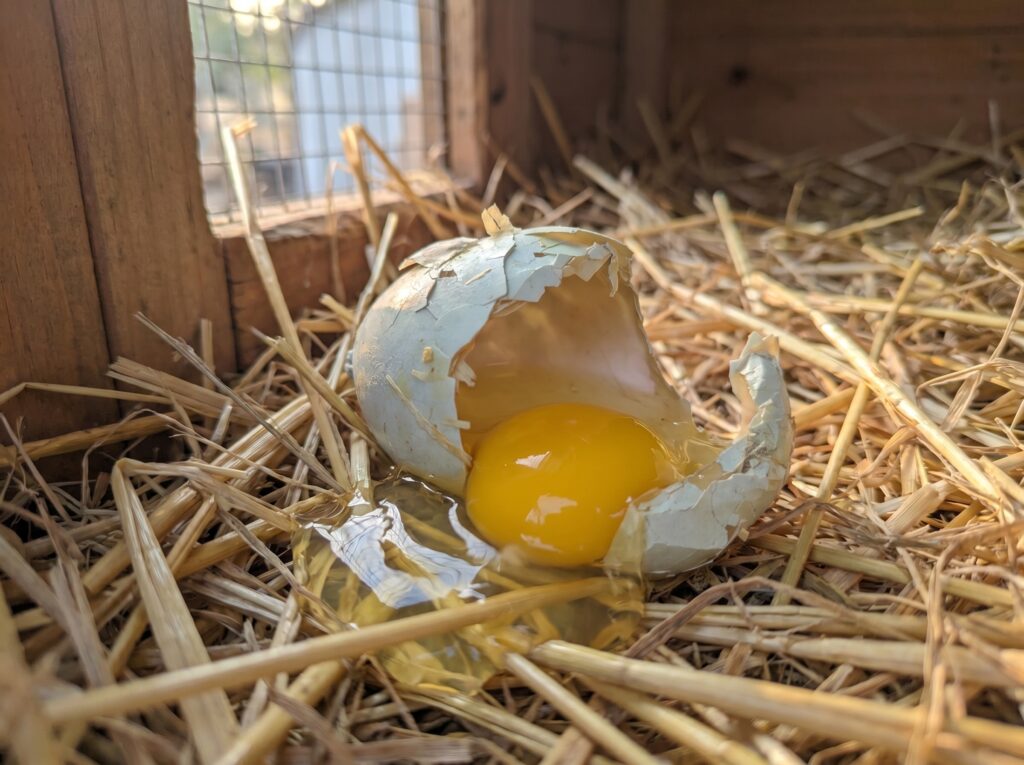
You walk to the coop at 6 AM and find sticky yolk on the straw. Shell fragments everywhere. No eggs in the nest box. If this keeps happening, you need to act fast. Once one hen discovers that eggs are food, the whole flock can follow within days. This is why learning how to stop chickens from eating eggs early matters so much.
Egg-eating is not a medical problem. It is a learned behaviour. The window to fix it closes faster than most beginners realise. This guide covers exactly how to stop chickens from eating eggs using a prevention-first system backed by Penn State Extension research. No fluff, no folk remedies that fail under pressure.
You get a step-by-step protocol to identify the culprit, break the habit, and prevent it from spreading. Understanding why chickens eat their eggs is the foundation of every solution here. We start with the science, then move to action. If you want to know how to stop chickens from eating eggs before the habit spreads, prevention is where you begin.
Why Do Chickens Eat Their Eggs? The Three Trigger Categories
Chickens do not naturally want to eat their own eggs. This is a learned behaviour that starts when something goes wrong in the environment. University extension research from Penn State and Mississippi State identifies three distinct trigger categories that explain why chickens eat their eggs in nearly every case.
Physical triggers are the most common starting point. Thin or fragile shells break under the hen’s weight during laying. Once she tastes the high-protein, high-fat contents, the behaviour becomes reinforcing. Low calcium intake, poor diet balance, and dehydration all weaken shell quality. This makes breakage more likely. When researching how to stop chickens from eating eggs, keep in mind that broken shells are usually the entry point. Strong shells are your first defence in stopping chickens from eating eggs.
Environmental triggers include overcrowded nest boxes, bright lighting near nests, insufficient bedding, and too much traffic in the laying area. Penn State Extension recommends one 12-inch-by-12-inch nest for every 4 to 5 hens. Place nests at least 2 feet off the ground and 4 feet from roosts. When hens compete for nest space, eggs get stepped on and broken. Getting the environment right is half the battle in stopping chickens from eating eggs before the behaviour starts. A well-designed coop is the foundation of how to stop chickens from eating eggs.
Behavioural triggers come into play after the first taste. Chickens learn by observation. Once one hen discovers eggs are edible, others copy the behaviour. This is why extension sources warn that egg-eating is extremely difficult to break once established. Speed matters more than any single trick. If you are learning how to stop chickens from eating eggs because one hen has just started, act immediately before the rest of the flock learns. Time is not on your side once the behaviour begins.
The distinction between accidental breakage and true egg-eating behaviour matters. A hen that eats a broken egg once is not automatically an egg-eater. A hen that returns to the nest specifically to break and eat eggs is a true behavioural case. Most beginner guides never separate these two scenarios. This leads to either panic over nothing or delayed action when it counts. Knowing the difference is essential to effectively stopping chickens from eating eggs. Accidental breakage requires nutrition fixes. True egg-eating requires a different approach to how to stop chickens from eating eggs.
How to Tell Which Chicken Is Eating the Eggs
Before you fix the problem, you need to know who caused it. Guessing wastes time and can stress the wrong bird. If you are serious about how to stop chickens from eating eggs, identification comes first. You cannot stop what you have not identified. This step is where every plan to stop chickens from eating eggs must begin.
The identification protocol starts with physical inspection. Check each hen’s beak, face, and the sides of her head for dried yolk. This is the fastest visual clue. An egg-eating hen almost always has traces on her feathers. Look closely during morning checks to spot the evidence early.
Next, observe the nest area during peak laying hours. This is usually mid-morning. The offender often returns to the nest immediately after laying or breakage. Patience during observation pays off. Knowing how to stop chickens from eating eggs starts with knowing which bird is the problem.
If you have multiple hens, set up a trail camera aimed at the nest box entrance. The Wildgame Innovations Terra Extreme 14MP Trail Camera (~$65 on Amazon) runs on batteries for weeks. It captures motion-activated footage that removes all doubt about which bird is responsible. Technology makes identification easier in larger flocks.
A fake egg test confirms suspicion without confrontation. Place two or three ceramic dummy eggs in the favoured nest box. Leave them in place continuously. The TekTriple Ceramic Nest Eggs (~$9 on Amazon for a 4-pack) are the right weight and texture to fool hens. Watch which bird pecks aggressively at the decoys. That is your offender.
If one hen pecks hard at the fakes while others ignore them, you have your answer. Remove that hen to a separate isolation pen before attempting any behaviour correction. Knowing which bird is guilty is the first step in how to stop chickens from eating eggs for good. This identification method is what experts recommend when asked how to stop chickens from eating eggs in a multi-hen flock. Every successful intervention starts with knowing your target.
How to Stop Chickens From Eating Eggs: The Prevention-First Protocol
The most effective approach to stopping chickens from eating eggs is to prevent the first breakage from ever becoming a habit. Penn State Extension states clearly that prevention is the only proven treatment. Once true egg-eating is established, it is extremely difficult to eliminate. This protocol works in three stages: immediate containment, environmental correction, and long-term prevention. Follow all three stages for the best results in how to stop chickens from eating eggs.
Stage One: Immediate Containment
Collect eggs two to three times daily. Start at mid-morning when most hens finish laying. The less time eggs spend in the nest box, the lower the chance of breakage and tasting. This frequency is a core tactic in how to stop chickens from eating eggs before they learn. Frequent collection is a simple but powerful tactic for stopping chickens from eating eggs.
If you find a broken egg, remove every trace of shell and yolk immediately. No hen should associate the nest with food. Cleanliness matters in how to stop chickens from eating eggs before the association forms.
Add ceramic or wooden fake eggs to all active nest boxes. This ensures pecking produces no reward. The Royal Rooster Wooden Nest Eggs (~$12 on Amazon for 6) are durable enough to survive repeated pecking. They are heavy enough to feel real.
These immediate steps are your first line of defence in how to stop chickens from eating eggs before the habit spreads to the rest of the flock. Quick containment limits the damage and gives you time to implement the next stages. Never skip this step if you want to know how to stop chickens from eating eggs fast.
Stage Two: Environmental Correction
Upgrade your nest boxes to prevent breakage. Ensure each box has 2 inches of clean, dry nesting material. Pine shavings or straw work best. Soft bedding reduces cracks that lead to chickens eating eggs, a problem that can become permanent.
Keep nest areas dim. Bright light increases nervousness and pecking behaviour. If competition for nests is high, add more boxes using the 1-per-4-hens ratio. Simple changes can make a big difference in stopping chickens from eating eggs.
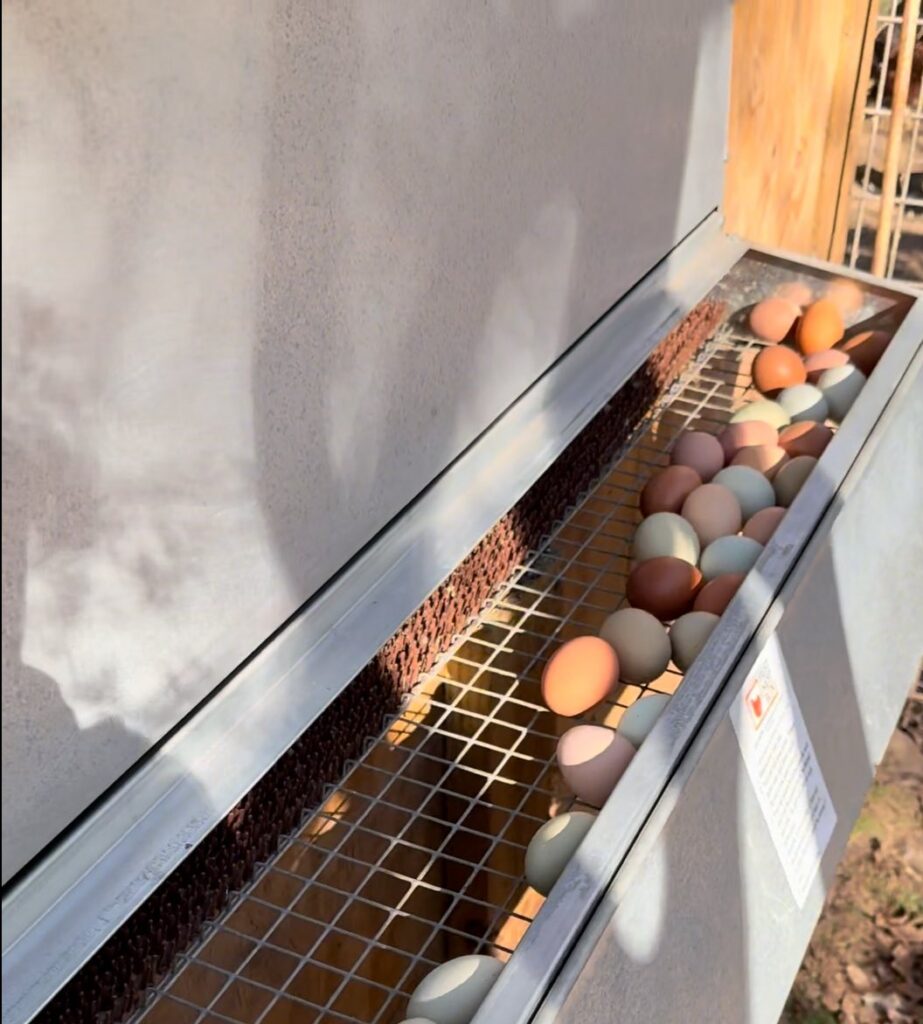
The best long-term fix here is a roll-away nest box. It removes the egg from the hen’s reach immediately after laying. This single modification eliminates the taste-and-repeat cycle entirely. If you want to know how to stop chickens from eating eggs permanently, this is the upgrade that makes the biggest difference. The roll-away design physically prevents access and is the gold standard in how to stop chickens from eating eggs.
Stage Three: Nutritional Correction
Switch to a complete layer ration with 16-18% protein if you are not already using one. Offer free-choice oyster shell or limestone in a separate container.
Never mix calcium into feed. Hens can develop an association between shell texture and egg taste, which makes it harder to stop chickens from eating eggs. The Manna Pro Oyster Shell (~$13 on Amazon for a 5-pound bag) is clean, consistent, and sized correctly for backyard flocks.
Do not rely on scratch grains or cracked corn as dietary staples. Penn State specifically warns that these dilute nutrient balances contribute to weak shells. Solid nutrition combined with proper nest management is how to stop chickens from eating eggs at the source. Fix the environment, and the behavior rarely starts. Prevention through nutrition is the most sustainable approach to how to stop chickens from eating eggs long-term.
DIY Roll-Away Nest Box: Build Plans That Actually Work
A roll-away nest box is the strongest environmental fix in this entire protocol. It removes the egg from the hen’s reach immediately after the hen lays. This prevents the taste-and-repeat cycle from ever starting. You can buy commercial versions, but a basic plywood build costs under $30. It takes one afternoon.
You need a half-sheet of 3/4-inch plywood, a 12-inch length of 2×4 for the frame, two 1-inch wood screws, a 12-inch piece of 1/2-inch PVC pipe for the front barrier, and basic nesting material.
Cut the floor panel to 14 inches wide by 18 inches deep. Cut the divider walls to 12 inches high. These dimensions are the standard recommended in most guides on how to stop chickens from eating eggs through roll-away design.
The critical detail is the angle. Set the floor at approximately a 12 to 15-degree slope toward the back collection tray. Too shallow and eggs roll slowly enough for hens to reach them. Too steep, and eggs crack on impact.
Mount the PVC pipe across the front entrance about 3 inches above the floor. This creates a soft barrier that hens step over easily. The PVC pipe is a critical component of this DIY design for stopping chickens from eating eggs. It blocks them from reaching eggs that have rolled into the collection area.
Add a hinged lid on top for easy egg gathering. You will not need to reach through the front. A proper roll-away nest box eliminates the need for constant egg collection. It gives you confidence even on days you cannot check the coop until evening. Building a roll-away nest box is one of the most effective ways to stop chickens from eating eggs permanently.
Once installed, the problem rarely returns. Many backyard keepers who researched how to stop chickens from eating eggs found this single upgrade solved their problem completely. The roll-away mechanism removes temptation entirely and should be part of any serious plan for how to stop chickens from eating eggs.
How to Break the Egg-Eating Habit Once It Starts
If you are past the prevention stage and dealing with an active egg-eater, your options narrow. Extension sources are blunt here: established egg-eating is extremely difficult, if not impossible, to break. That said, a systematic approach gives you the best chance of avoiding culling.
First, confirm that you have a genuine behavioural case, not just accidental breakage. If eggs break because the shells are thin, fix the nutrition first. See if the problem stops. Add the Manna Pro Oyster Shell supplement (~$13 on Amazon) to strengthen shells. Switch to a complete layer feed like Purina Layena Plus Omega-3 (~$22 on Amazon for a 10-pound bag). It delivers consistent 16 per cent protein plus omega fatty acids for shell quality.
Give this nutritional fix one week. If eggs still disappear with firm shells in place, you have a true behaviour problem. Nutrition fixes simple cases. Behaviour problems require more intervention for how to stop chickens from eating eggs.
For confirmed behavioural cases, combine three tactics simultaneously. Isolate the offender in a separate pen where she cannot observe or copy other hens. Continue placing fake eggs in the main coop so the rest of the flock gets no reinforcement from real eggs. Install a roll-away nest box immediately so no egg stays accessible after laying. This environmental fix is central to stopping chickens from eating eggs in confirmed behavioural cases.
Community evidence suggests that dummy-egg resets can lead to improvement within a few days when combined with frequent collection. Official extension sources warn that some cases never resolve. The honest timeline is this: prevention works in hours, environmental correction works in days, and behavioural correction works inconsistently over weeks.
If you have tried isolation, fake eggs, roll-away boxes, and nutritional fixes for two weeks with no improvement, culling may be the most reliable remaining option. Even then, prevention remains the best way to stop chickens from eating eggs in the long term. Stopping the behaviour before it starts is always easier than reversing it once established. Anyone who has struggled to stop chickens from eating eggs once the habit is entrenched knows this truth firsthand. Start with prevention, and you avoid the hardest corrections entirely. This reality is why every guide on how to stop chickens from eating eggs emphasises prevention first.
Can Chickens Eat Egg Shells? The Nutrition Crossover Explained
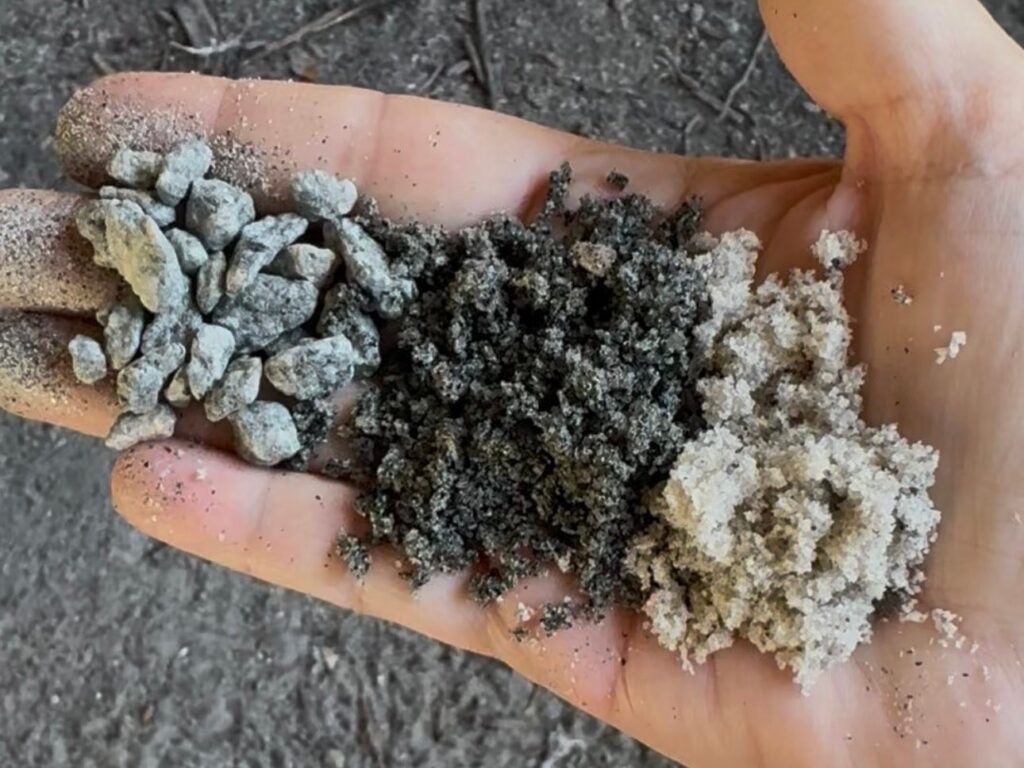
This question comes up constantly because it sits at the intersection of nutrition and behaviour. The answer is yes. Chickens can eat egg shells, but only if the shells are prepared correctly and offered separately as a calcium supplement.
Never feed fresh, wet shells immediately after cracking an egg if you want to know how to stop chickens from eating eggs safely. The moisture and membrane residue create an unmistakable association between shell texture and food reward. This can trigger or reinforce egg-eating behaviour.
The correct method is to collect used shells, rinse them clean, and bake them at 250 degrees Fahrenheit for 10 minutes. This sterilises and dries them. Then crush them into fine particles roughly the size of sand. Offer the crushed shell in a separate dish alongside regular feed.
The Manna Pro Oyster Shell (~$13 on Amazon) is a simpler alternative. It avoids any shell-association risk entirely. It is already processed, sized, and free of membrane residue.
This nutritional fix addresses the root cause directly. Weak shells lead to breakage. Breakage leads to tasting. Tasting leads to habit. Adequate calcium breaks that chain at the source. Proper calcium management is a critical part of preventing chickens from eating eggs before the problem ever begins. Getting nutrition right is one of the most overlooked steps in consistently stopping chickens from eating eggs. Do not skip the basics if you want to know how to stop chickens from eating eggs for good.
Coop Setup Rules That Prevent Egg-Eating Before It Starts
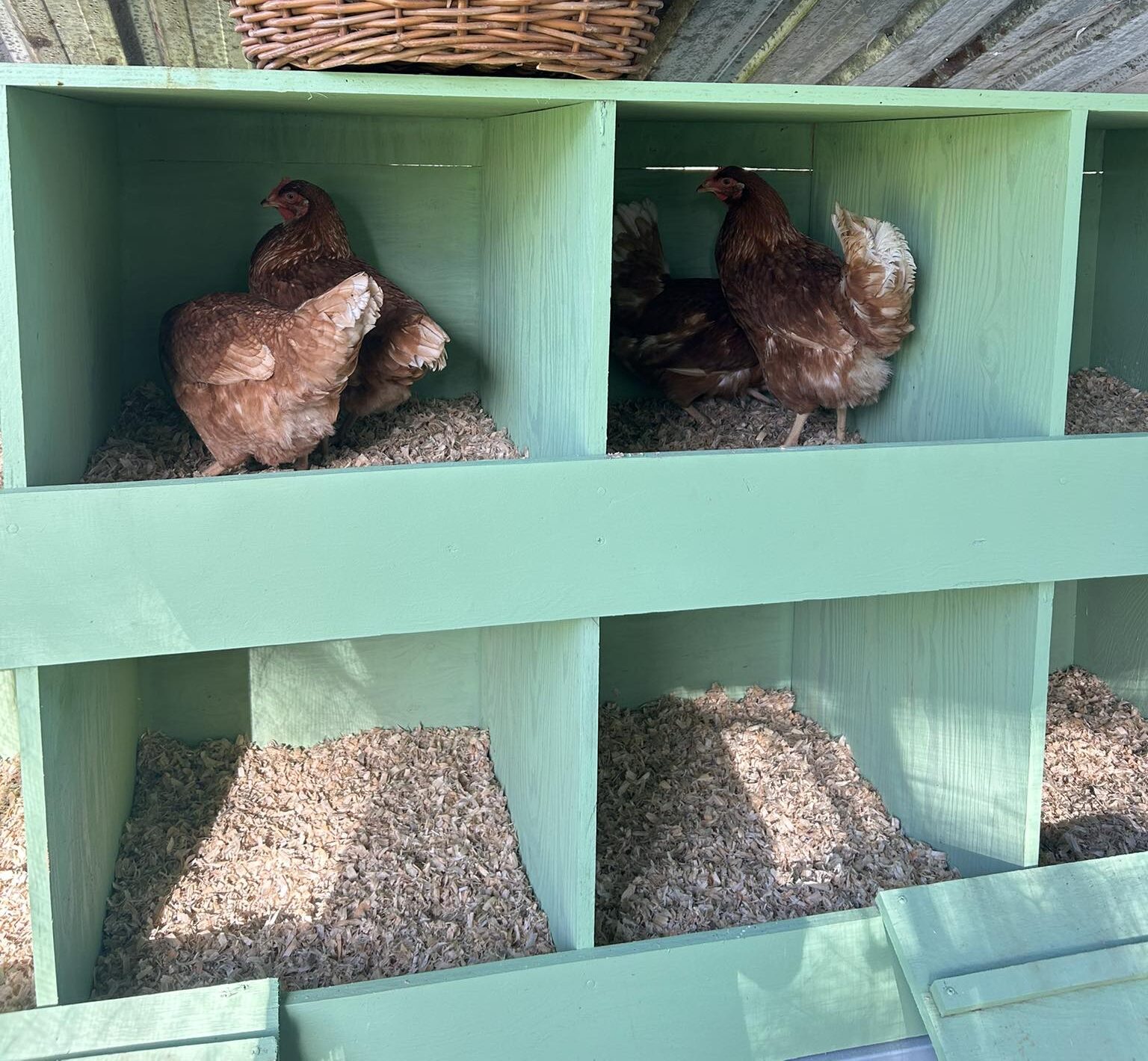
The right coop setup stops egg-eating before you ever see a broken yolk. Every prevention measure in this section is based on university extension guidelines. This is not a forum opinion. Following these rules eliminates the environmental triggers responsible for the vast majority of egg-eating cases.
Nest box dimensions matter. Each box should be 12 inches wide, 12 inches deep, and 12 inches high. Place boxes at least 2 feet off the ground and at least 4 feet from roosts. This prevents contamination from droppings and reduces nighttime traffic. These details matter in how to stop chickens from eating eggs before the trigger ever appears.
Use one nest box for every 4 to 5 hens. Adding more boxes is always better than having too few. Overcrowding causes competition. Competition leads to eggs getting stepped on and broken.
Bedding depth protects eggs from impact. Keep 2 inches of clean, dry material in each box at all times. Replace bedding weekly or sooner if it gets damp or soiled. Pine shavings are the best balance of absorbency, cushioning, and cost. The right bedding is a small detail that matters in how to stop chickens from eating eggs. Straw works, but it compresses faster and requires more frequent replacement.
Lighting intensity around nests should be low. Bright light makes hens nervous and increases pecking behaviour. If your coop has windows near nest boxes, add a light-blocking curtain or relocate the boxes to a darker wall.
A dim nest environment keeps hens calm during laying. It reduces the chance of post-lay pecking. For a complete walkthrough on coop design that prevents problems before they start, read our guide on Raising Chickens for Beginners: The Best Backyard Setup Guide (2026).
Implementing these coop rules is foundational to how to stop chickens from eating eggs. Get the environment right, and the behaviour rarely appears. Prevention through proper setup is the most reliable approach you can take. Every guide on how to stop chickens from eating eggs should start with these basics. Your coop design is your first and best defence against chickens eating eggs.
How Many Nest Boxes Per Chicken? The Math Beginners Get Wrong
Getting the nest box ratio wrong is one of the fastest ways to create an egg-eating problem. Too many hens per box means eggs sit longer. They get stepped on and break under pressure.
The extension-backed ratio is one 12×12-inch nest for every 4 to 5 hens. If you have 8 hens, you need a minimum of 2 boxes. If you have 12 hens, you need 3 boxes.
Beginners often ask how many chickens they should start with. The answer directly affects your nest box planning. A smaller starter flock of 4 to 6 hens needs only 2 nest boxes. This is easy to manage and monitor. A larger flock multiplies every risk. More competition, more traffic, more eggs sitting unattended. Each risk factor makes stopping chickens from eating eggs a bigger challenge once the behaviour begins.
See our breakdown in How Many Chickens Should a Beginner Start With? for help sizing your flock correctly from day one.
If you are adding hens to an existing flock, add nest boxes before you add birds. Waiting until you see competition creates a gap that results in daily breakage. Plan for the flock size you will have in six months, not the flock size you have today. Getting this math right is an early step in how to stop chickens from eating eggs. Prevention through proper planning always beats correction after the fact. The right ratio removes one of the biggest environmental triggers in how to stop chickens from eating eggs.
Emergency Fixes vs. Long-Term Solutions: Know the Difference
When you first discover egg-eating, it is tempting to try every trick on the internet at once. Mustard-filled eggs, pepper in nests, milk protocols. These constantly appear on blogs and forums.
Extension sources mention pepper and milk as measures that “might work,” not proven cures. The honest assessment is that home remedies have weak support from scientific sources. They should never replace environmental correction.
Emergency fixes are what you do today to stop immediate losses. Collect eggs three times instead of once. Add fake eggs to every nest. Remove any broken egg residue within minutes. These actions work immediately and carry zero risk. Emergency response is part of preventing chickens from eating eggs while you plan permanent fixes.
Long-term solutions are structural changes that remove the root cause. Install roll-away nest boxes. Fix the calcium-to-protein ratio in feed. Add more nest boxes to reduce competition. Adjust lighting to keep nests dim. These changes take more effort. They solve the problem permanently rather than masking it for a week.
The biggest beginner mistake is searching for a quick trick instead of fixing the environment. If your hens eat eggs because the shells are thin from low calcium, no amount of pepper or fake eggs fixes the underlying weakness. The sustainable way to stop chickens from eating eggs is to start with nutrition and nest design. Then layer behavioural tools on top of that solid foundation. Quick fixes fail because they never address the root cause of why you need to how to stop chickens from eating eggs in the first place.
Prevention Checklist: Stop Egg-Eating Before It Starts
Prevention is the only guaranteed cure when you want to stop chickens from eating eggs before the habit ever forms. Use this checklist every week to maintain an egg-eating-resistant coop.
First, confirm all hens receive a complete layer ration with 16 to 18 per cent protein. Not scratch grains. Not kitchen scraps. Not cracked corn as a primary feed.
Second, offer free-choice oyster shell or limestone in a separate container. Verify hens are actually consuming it by checking the level weekly.
Third, collect eggs at least twice daily. Remove any broken eggs immediately, along with all shell fragments and yolk residue.
Fourth, maintain 2 inches of dry nesting material in every box. Replace it before it gets damp or compacted.
Fifth, verify your nest box ratio matches one box per 4 to 5 hens. Add boxes before adding birds.
Sixth, keep nest areas dim. Position boxes away from bright windows or add light-blocking materials.
Seventh, install roll-away nest boxes on at least the most-used laying stations. This removes accessibility entirely.
Eighth, check the shell quality weekly. Thin, rough, or misshapen shells signal a nutritional problem. This will lead to breakage if uncorrected. Run through this checklist every Sunday. Consistent prevention is the key to stopping chickens from eating eggs without ever needing emergency fixes. Build the habit of checking, and the problem never gets a foothold. This checklist is your practical tool for how to stop chickens from eating eggs every single week.
Frequently Asked Questions About Egg-Eating
Why do chickens suddenly eat their eggs after months of normal laying?
Sudden egg-eating almost always traces back to one trigger event. A shell broke in the nest. A new hen learns by copying another. Or nutrition shifted, perhaps from seasonal diet changes or a new feed brand with lower calcium. Chickens do not randomly develop this habit. Something changed in their environment or diet. Identifying that change is the fastest path to reversing the behaviour and understanding how to stop chickens from eating eggs in your specific situation.
Can one chicken teach the whole flock to eat eggs?
Yes, and this is why speed matters. Chickens are social learners. When one hen discovers eggs are edible, others observe and imitate. A single active egg-eater can convert a 6-hen flock within one to two weeks if the behaviour goes unchecked. This speed is why it is so critical to know how to stop chickens from eating eggs immediately. Isolate the first offender immediately to break the observation loop. Speed is everything in how to stop chickens from eating eggs from spreading.
How long does it take to stop chickens from eating eggs?
Prevention-level fixes work within days. If you install roll-away boxes and fix nutrition, you should see zero new breakage within a week. Behavioural correction of an established egg-eater takes 2 to 4 weeks with consistent isolation and fake egg protocols. Some extension sources warn that long-established cases may never be resolved. This is why prevention remains the only reliable strategy for how to stop chickens from eating eggs permanently. Waiting makes everything harder.
Are ceramic eggs better than golf balls for stopping egg-eaters?
Ceramic eggs are more effective because they match the weight, texture, and temperature of real eggs. Golf balls are too light and too hard. Some hens figure out the difference quickly and ignore them. Ceramic decoys like the TekTriple Ceramic Nest Eggs (~$9 on Amazon) fool hens for longer. They survive repeated aggressive pecking without cracking.
Will feeding egg shells back to chickens cause them to eat fresh eggs?
Only if the shells are not prepared correctly. Fresh, wet shells with membrane residue attached create a direct association between shell and food. Always rinse, bake at 250 degrees for 10 minutes, and crush shells into fine particles before offering them. Better yet, use commercial oyster shell to eliminate the risk entirely. This simple swap is one of the easiest ways to stop chickens from eating eggs through proper nutrition.
Final Thoughts: Prevention Wins Every Time
Egg-eating is one of the most frustrating problems in backyard chicken keeping. It spreads fast and cures slowly. The entire framework in this article comes down to one principle: prevent the first breakage, and you never need to know how to stop chickens from eating eggs.
That means solid nutrition with adequate calcium. Enough nest boxes for your flock size. Clean dry bedding. Dim lighting. And most importantly, roll-away nest boxes that remove the egg from reach the moment it is laid.
If you are already dealing with an active egg-eater, work through the identification protocol first. Then apply the three-stage correction system in order. Do not skip to home remedies while ignoring nest design and nutrition.
The science is clear, according to Penn State Extension and multiple university sources. Environmental management prevents more egg-eating cases than any behavioral trick ever will.
Start with the prevention checklist this week. Check your nest box ratios. Test your shells for hardness. Consider whether a roll-away upgrade makes sense for your coop. The time you spend on prevention today saves you from the stress of flock-wide egg-eating tomorrow. Make how to stop chickens from eating eggs a priority this week, not next month. Master how to stop chickens from eating eggs through